

Struggle Writing
The pitfalls and get-back-up-agains behind a finished piece

Hi all, and a special welcome to new subscribers from Healing is my Special Interest!
I’m Kat and this is Writing Through it All, where we find ways to stay connected to writing despite, and because of, whatever life throws at us.
This post is a paid-subscriber feature on what I affectionately call “struggle writing”—those times when getting the words down is so tough, you start thinking maybe you should just pack it in and become a blueberry farmer. Here, we peek behind the shiny curtain of something I’ve written, looking at where I struggled and how I got through it.
Today we’re opening up Weathering Rejection, a guest post on the sometimes surprising reactions we can have when our writing is rejected, and how to keep going until brighter days.
I thought that piece would be a breeze to write—I had a pile of ideas, I love digging into feelings, and the stakes felt comfortably low. Spoiler: it wasn’t! But I did it anyway. Here’s how.
What I wanted to do: free-write a first draft from start to finish
I remember seeing a writing truism that went something like: “if it’s hard to write, it’ll be hard to read.” The idea being that the more you struggle to write something, the longer you worry at it, the worse the end result is going to be. And it’s an appealing promise: if you’re doing it right, not only will your writing resonate, but the process of creating it will be easier.
Unfortunately, I think it might be hogwash.
Writing can be painful for all kinds of reasons that have nothing to do with talent or that coveted flow we’re always chasing. And while I always, every single time, picture myself sailing through a first draft like it’s the videogame fanfiction I wrote at fifteen, life has gotten harder and more complicated since then. If I wait to find that ease again, I may be waiting forever.
What actually worked: starting and stopping
And losing patience, and finding it again.
I started out with a bunch of bits I knew I wanted to include, like that conference keynote that had stuck with me, but I was struggling to connect them into something cohesive. One breakthrough came from sketching the bits into an outline, something I’d previously reserved for fiction. Just seeing a potential flow on the page made it easier to flesh out each section and start to tie them all together.
Still, I’d get stuck, and have to unstick myself, repeatedly. I shifted sections around. I spent several hours chasing down Naomi Davis’s name because I was determined to use their idea and credit it properly, despite that keynote info having disappeared off the conference page—rescued only by the miracle that is the Wayback Machine. I worried that rain was too obvious of a metaphor for rejection, so I added some humour, which freshened it up. And after finally struggling out a first draft, the word count was too long—an unfamiliar problem for me since I usually write pretty concisely. Well, not much to do about that but start hacking away.
At the risk of getting too lofty, this kind of process reminds me of how Pema Chodron talks about life: “things don’t really get solved. They come together and they fall apart. Then they come together again and fall apart again.” Writing isn’t a puzzle with one solution to work toward. It’s a seasonal cycle, a dance between creative bliss and creative despair, a mess until it isn’t (and then maybe it is again). There’s no objective measure for “done” or even for “good.” There’s only you and the words, trying to find each other again and again.
What I wanted to do: be a lone wolf
I’ve always been stubbornly independent, which is one of the reasons I’m drawn to writing as an art and hobby and career. It’s because I’m comfortable in solitude and enjoy the rush of creating something from nothing with just my own brain... and it’s also because I not-so-secretly love control, fear letting people down, and fear others letting me down.
But humans are social animals, as I remind myself every time I go a little too long without in-person contact and begin regressing into a pyjama-clad cavewoman bewildered by her own lonesomeness. And I’ve learned that writing all on my own doesn’t make me better, or stronger, or more of a Real writer. As romantic as that notion can be, it mostly just keeps me stuck and frustrated, thinking I have to figure out every detail on my own.
What actually worked: reaching out
One of the things I worried about with this piece, as I sometimes do with nonfiction, was the relatability of my experience. I wanted to reflect the breadth of feelings that can come with rejection, but I’m only one person. What if my perspective was too narrow? What if I missed something big or obvious? What if, actually, no one has really felt the things I’ve felt because I’m a big weird weirdo stuffed with too many emotions?
Asking for outside input felt like cheating. I’d offered to write this piece, so all the ideas should come from my own anxious head, right?
Except there’s not actually a rule against that. My anxious head had made it up.
When I realized that, I reached out to a writer friend and asked if there was anything she’d want people to know about rejection. In response, I got an enthusiastic anecdote about an experience I haven’t had (getting a kind novel rejection with positive feedback). Including this rounded things out and also gave the reader a break from so much “me” and “I”.
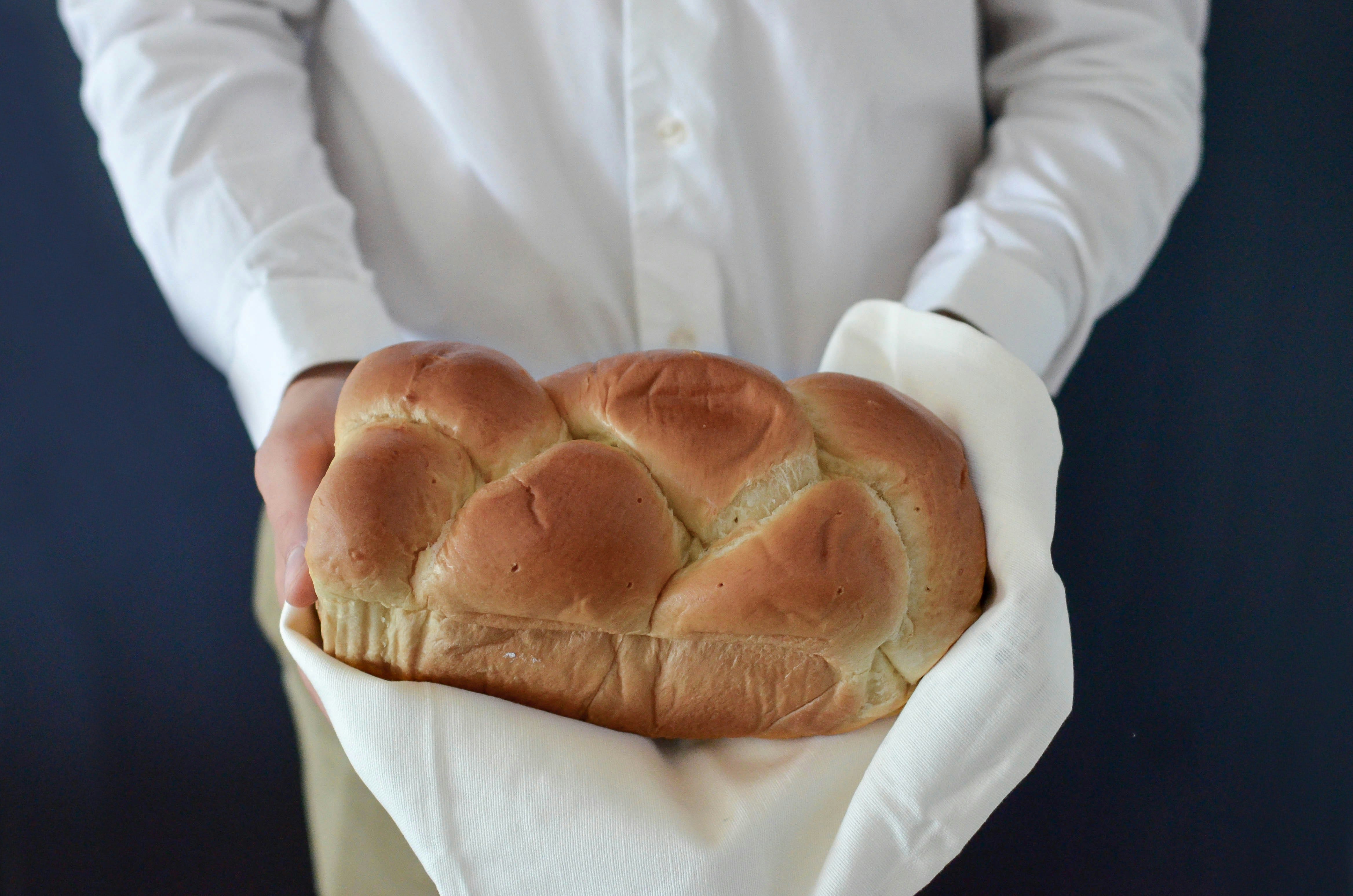
You can go it alone if you want to. I did for a long time. But finding pockets of writing community has brought a depth and richness to the experience that I didn’t really know I was missing. It was like sustaining myself on crackers and then being handed a roast beef sandwich on buttery brioche.
What I wanted to do: just do it
“I just need to spend an hour on this, bang out a draft. If I just open the file it will come. I just have to push through, focus harder, get it done.”
My friends, let me tell you a secret: just is a sticky, sneaky word.
When I think I just need to or I should just or if I could just, that four-letter seduction disguises layers of assumptions, judgements, and hangups. It’s hiding the reality that I am not, in fact, doing the thing—no matter how many times I try—and that there’s a reason for this that deserves to be addressed. It’s acting like willpower is the hammer for every creative nail.
In this case, I was trying to “just” write a thoughtful, refreshing piece about rejection—a well-trod subject—with a herniated disc in my neck causing so much pain I couldn’t sit up or hold a conversation. While still working full time. All by the deadline I’d set for myself.
What actually worked: facing the unpleasant facts
I didn’t want these things to be true. I wanted the physiotherapy to start working or my doctor to offer a solution. I wanted work to stay within its promised eight daily hours, and I wanted myself to suddenly have perfect boundaries around it. I wanted to meet that writing deadline no matter what trying was costing me.
In short, I wanted to live in a fantasy land where things were not as they actually were, ignoring and downplaying the barriers to writing because I’d run out of ideas and energy for removing them. It’s a common thing for people with chronic illness, especially the kind that has some better and some worse days: we get so sick of living with our constant limitations, our uncertainties, our wishes, that we get up one morning and try to act “normal.”
And then we have a much, much worse day.
The good news is: there’s an antidote to just. The bad news is: it’s acceptance, and acceptance always feels like the opposite of what I should be doing.
It can feel like giving up, or pretending I like what’s happening, or that I’m not allowed to still work toward solutions. But actually, acceptance is simply making a decision to stop fighting reality for a bit—to stop wasting my energy wishing things were different or trying the same thing over and over waiting for a new result.
For this piece, there were two main things I had to accept before I could make it happen.
It wasn’t going to be easy.
It wasn’t going to be done when I wanted.
Now, thanks to a giant of an anxiety disorder, I can count on one hand the number of deadlines I’ve needed extended in my life. And although this was a very soft deadline, with built-in flexibility from a very understanding publisher, it still felt like failing.
But I did it, and do you know what happened? Absolutely nothing bad. No one gave me an F in writing guest posts, or called me unsympathetic names, or told me my writing career was over.
Instead, my pain eased with the added rest and reduced stress. I wrote the piece. I got it done later than I wanted, but I got it done.
And as for it not being easy: see earlier about hogwash.
As Oscar Wilde put it, “The only thing worse than writing is not writing.” Loosening my hold on that need for an easy breezy writing experience made it possible to embrace good-enough ways of writing right now.
Because no matter how tough it gets physically or mentally, I’m always going to have the itch to get words out into the world. Yes, I’ll keep trying to find ways to smooth and oil the process, add some lightness, rediscover the joy I remember from younger writing days.
But I’m not going to wait until things feel easy while life is hard. I’m going to get stuck, and then I’m going to get unstuck. I’m going to complain about how tough it is—every writer’s favourite other hobby!—and then I’m going to find ways to make it just easy enough to manage.
It’s not a failure to struggle. And it’s not some kind of automatic success if you don’t struggle. They can both get the job done.
Come join me in the struggle any time.
Photo credits: pig by Pascal Debrunner on Unsplash, sad stuffie by Cris S. on Unsplash, delicious bread by Element5 Digital on Unsplash (anyone else hungry now?)